
Digital Dreams – 21st Century And Beyond (2000-Present)
“In the digital age, fashion streams at light speed through fiber optics and wireless signals, making every human both audience and performer in the great theatre of style.” Dinis Guarda
The 21st century has witnessed fashion’s complete digitalisation and globalisation. Globalisation, technology, and social media have accelerated fashion trends and the rise of new designers. Rapid changes and experimentation continue to evolve the fashion industry. This has created unprecedented opportunities for individual expression, accelerated fashion trends, and enabled the rise of new designers from previously marginalised regions and communities, democratising fashion while creating new challenges for creative and environmental sustainability.
Digital platforms have fundamentally altered fashion’s production, distribution, and consumption patterns, enabling direct communication between fashion designers and consumers while creating new forms of fashion media that bypass traditional gatekeepers. Instagram, TikTok, and Pinterest have democratised fashion influence, enabling individuals to build global audiences and challenge established fashion hierarchies.
Environmental consciousness has emerged as fashion’s defining challenge, forcing the industry to confront its environmental impact whilst developing sustainable alternatives that maintain aesthetic and commercial appeal. The development of recycled materials, circular economy principles, and ethical production practices represents fashion’s attempt to reconcile human creativity with planetary responsibility.
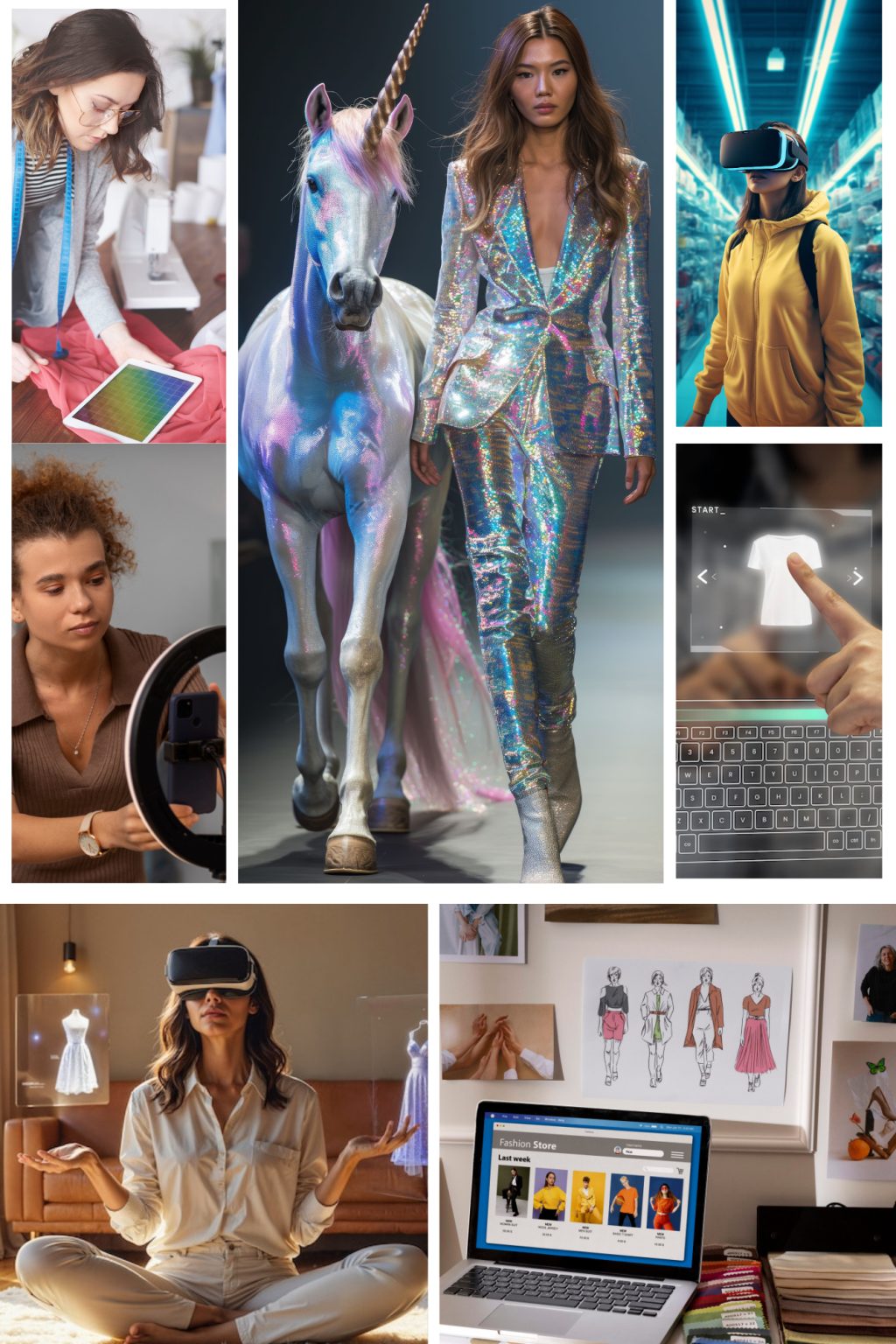
Technology integration through smart textiles, 3D printing, and virtual reality promises to reshape fashion’s fundamental possibilities, enabling personalised production that reduces waste whilst creating entirely new categories of functional clothing that can respond to environmental conditions and user needs.
More Content:
century of change 20th century revolution 1900-2000:
baroque brilliance and rococo romance 1600-1789
Digital Revolution
Social media platforms have fundamentally altered fashion’s production, distribution, and consumption cycles. Instagram, TikTok, and Pinterest have democratised fashion influence whilst accelerating trend cycles to unprecedented speeds.
Sustainable Awakening
Environmental consciousness has emerged as fashion’s defining challenge. The development of sustainable materials, circular economy principles, and ethical production practices represents fashion’s attempt to reconcile human creativity with planetary responsibility.
Technology Integration
Smart textiles, 3D printing, and virtual reality are reshaping fashion’s possibilities. These technologies promise personalised production, reduced waste, and entirely new categories of functional clothing.
Global Dialogue
Digital connectivity has enabled truly global fashion conversations. Traditional centres like Paris and Milan now compete with emerging scenes in Lagos, Seoul, and São Paulo, creating a polycentric fashion world.
Key Benchmarks
| Year | Innovation | Significance |
| 2004 | Social media emergence | Fashion democratisation begins |
| 2010 | Fast fashion dominance | Ultra-rapid trend cycles |
| 2015 | Sustainability movement | Environmental consciousness |
| 2020 | Pandemic adaptation | Remote fashion consumption |
| 2025 | AI integration | Personalised fashion design |
– Dinis Guarda with Jasmeen Dugal