
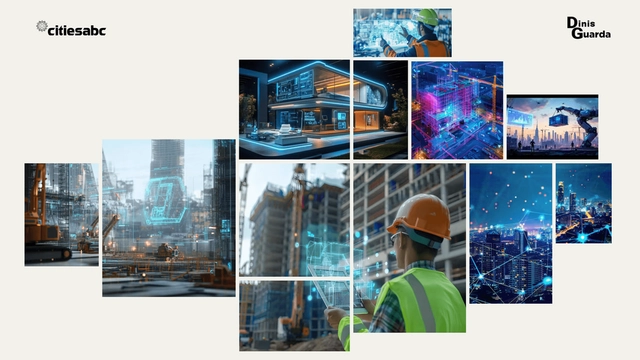
The Foundational Shift And Radical Changes In Construction and Real Estate
The construction and real estate sectors are undergoing a revolutionary shift, driven by AI, blockchain, and PropTech. With global real estate worth over $300 trillion, these technologies enhance market analysis, transparency, and sustainability, addressing key challenges like compliance, data fragmentation, and carbon emissions. The future is digital and data-driven.
Read about Construction, Real Estate, Infrastructure, Property And Hospitality Industry: https://www.dinisguarda.com/construction-real-estate-infrastructure-property-and-hospitality-industry/
“The best investment on earth is earth.” — Louis Glickman
There is nothing more difficult to take in hand, more perilous to conduct, or more uncertain in its success, than to take the lead in the introduction of a new order of things because the innovator has for enemies all those who have done well under the old conditions, and lukewarm defenders in those that may do well under the new.
The construction and real estate industries are undergoing a foundational transformation, driven by new socioeconomic models, productivity, evolving societal needs, shifting market dynamics and the impact of advanced technologies such as artificial intelligence (AI), blockchain, and the Internet of Things (IoT).
Traditionally fragmented and labour-intensive, the construction industry is evolving into a data-driven industry where digital-based technologies optimise project management, predictive maintenance, and resource allocation. No longer confined to brick-and-mortar methods, the industry now integrates digital tools, sustainable materials, and innovative design principles, responding to growing demands for efficiency, sustainability, and adaptability.
Similarly, real estate is transforming with digital-driven market analysis, transactions, and smart building management systems. These changes support sustainable practices, improve efficiency, and enhance transparency throughout project lifecycles.
Present Context of the Real Estate and Property Industry
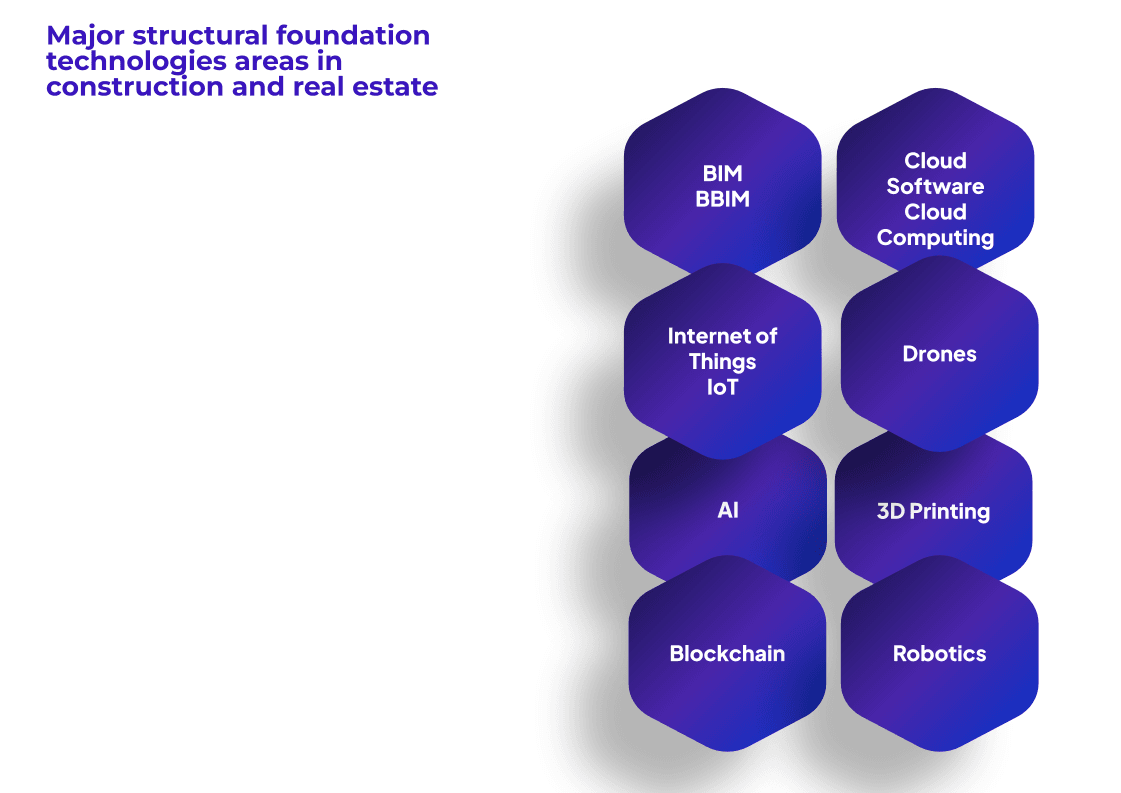
As of 2024, over 5.3 billion people use the internet, digital technologies, which translates to roughly 66% of the global population. The digital transformation awareness of the people, organisations and businesses around the internet has increased rapidly over the years since the invention of the Internet.
Surveys and studies have shown that the Internet has empowered and transformed the world’s social and economic models. It had almost a radical disruption impact on their social status, health, well-being, education and learning, and other areas of life. However, there is still a huge challenge in digital transformation for businesses, and especially construction and real estate are among the major industries that need to address this radical transformation.
The global real estate and property sector is one of the largest and most important industries in the world, acting as a significant driver of economic growth. Real estate is worth more than the global equity and bond markets combined, and is almost four times the size of global GDP, making it the largest asset class globally. The real estate market plays a pivotal role in supporting investment, providing housing, and developing infrastructure for business and public services.
A new wave of technology is bringing greater efficiency, higher security, and lower costs to the financial industry, among which tokenisation heralds innovative real estate products for a digital era.
However, the sector is facing unprecedented shifts due to global megatrends such as rapid urbanisation, digital transformation, demographic changes, and the growing demand for sustainable practices. Real estate is increasingly affected by economic volatility, shifting consumer preferences, and technological disruption.
Challenges in Real Estate and Property Development
- Regulatory Complexity and Compliance: Managing compliance with regulations across multiple regions is a significant challenge for global real estate firms. These regulations cover zoning laws, environmental standards, building codes, and labour laws, and vary dramatically between jurisdictions. Failing to comply can result in fines, legal disputes, or project delays.
- Lack of Transparency: Real estate has historically suffered from a lack of transparency, especially in emerging markets. According to Transparency International, the opaque nature of property transactions has led to corruption, money laundering, and inefficiencies in land administration systems. This lack of transparency hinders trust between stakeholders and slows down transactions.
- Fragmented Market Data: The industry is data-heavy, but the data is often fragmented and inconsistent. For example, property valuations, market trends, and transaction histories are scattered across various platforms and databases, making it difficult for investors and developers to make informed decisions.
- Sustainability and Environmental Impact: The real estate sector is one of the largest contributors to global carbon emissions, with the World Economic Forum reporting that buildings account for 33% of global energy consumption and 40% of all global greenhouse gas emissions. There is increasing pressure on the industry to adopt greener building technologies and sustainable development practices.
- Access to Financing: Developers and investors often face challenges in accessing financing, especially in developing economies. The International Monetary Fund (IMF) notes that financial regulations and risk-averse banking systems in some regions limit access to capital for real estate projects, particularly in markets perceived as volatile.
Opportunities for innovation: AI, blockchain, and propTech solutions
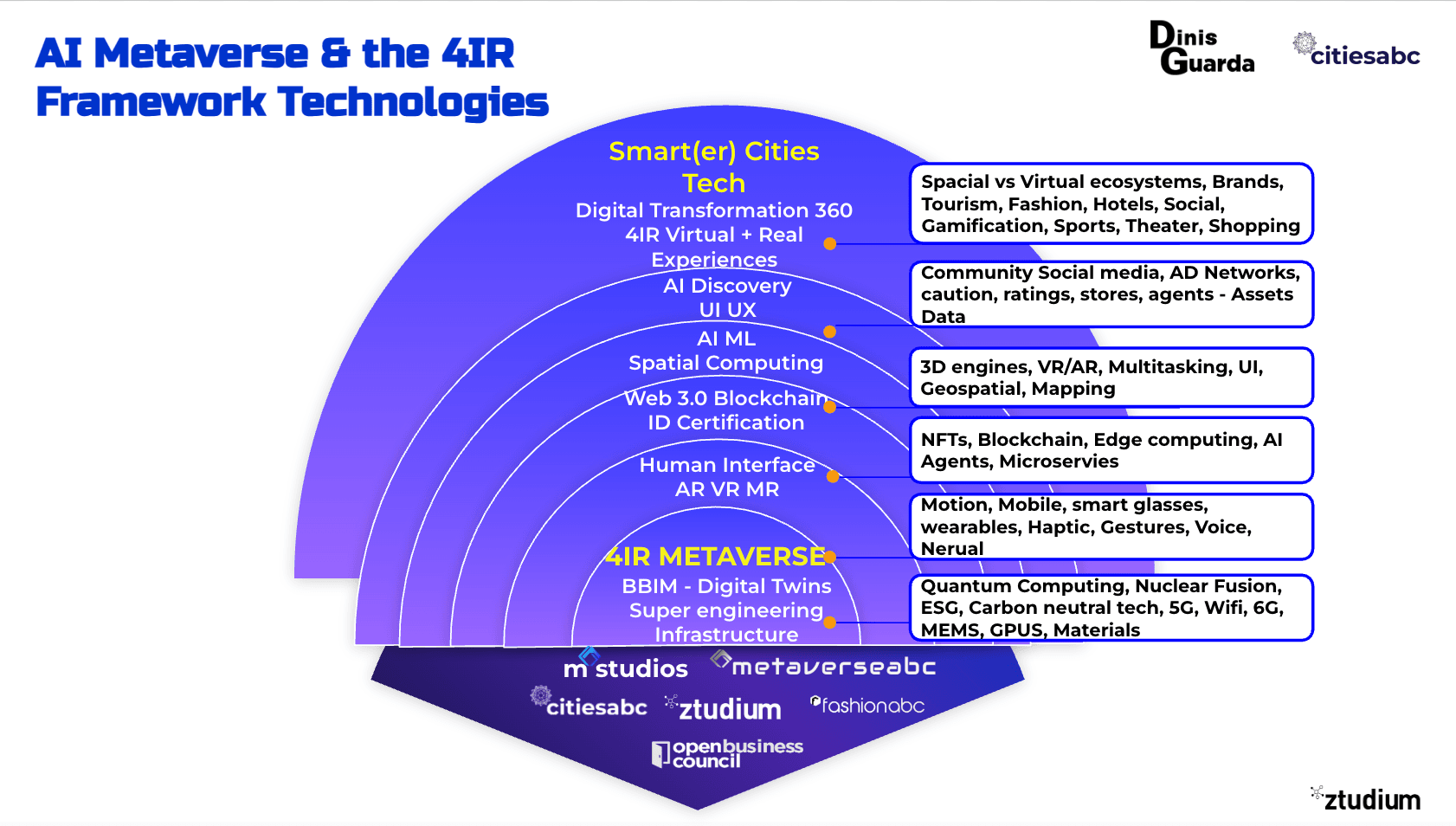
AI for Market Analysis and Property Valuation: Artificial Intelligence (AI) is transforming the way market analysis and property valuations are performed. AI-driven Automated Valuation Models (AVMs) use vast amounts of historical data, current market conditions, and predictive algorithms to produce highly accurate property valuations. These tools enable real estate firms and investors to make data-driven decisions with greater precision. AI also helps forecast market trends, optimise pricing strategies, and predict demand for different property types.
- Opportunity: AI reduces the time required to assess property values and identify trends, allowing firms to react faster to market changes. It also enhances the efficiency of real estate portfolio management by analysing the performance of assets in real-time.
Blockchain for Transparency and Security: Blockchain technology addresses many of the transparency issues plaguing the real estate industry. Through decentralised ledgers, blockchain enables secure and transparent property transactions, providing immutable records of ownership, transactions, and legal documents. Smart contracts—self-executing contracts with the terms written directly into code—can streamline processes like property sales, leasing, and mortgage agreements.
- Opportunity: Blockchain promotes transparency, reduces fraud, and simplifies cross-border property transactions. By providing a clear, unalterable chain of ownership and transaction history, it builds trust between buyers, sellers, and regulatory bodies.
- Examples:
- Propy, a blockchain-based real estate platform, enables end-to-end online real estate transactions, including registration of property ownership on the blockchain.
- The Dubai Land Department has been pioneering blockchain technology to enhance transparency and efficiency in real estate transactions, setting a global example.
PropTech for Smart Buildings and Sustainable Development: PropTech solutions are driving the development of smart buildings equipped with IoT devices that monitor energy consumption, optimise heating and cooling, and track maintenance needs in real-time. These technologies contribute to sustainable practices and align with global initiatives such as the Paris Agreement to reduce carbon emissions.
- Opportunity: PropTech enables real estate developers to reduce operational costs and meet environmental targets by adopting energy-efficient technologies. These innovations also create a more appealing product for environmentally conscious tenants and investors.
- Example: Edge Technologies, a Dutch real estate developer, has created smart, energy-efficient office buildings that use data-driven systems to reduce energy use, setting a new standard for sustainable urban development.
AI and Machine Learning for Predictive Analytics in Real Estate Investments: AI-powered predictive analytics tools can model future property market conditions, enabling investors to forecast ROI, rental income, and capital appreciation. These models consider a wide range of factors, including economic indicators, population growth, and local infrastructure development, which helps investors make informed decisions.
- Opportunity: AI enhances investment strategies by providing detailed insights into market behaviour, optimising the selection of properties based on profitability and risk factors.
AI and Blockchain for Compliance and Legal Frameworks: Compliance with national and international regulations can be automated using AI and blockchain. AI models can monitor regulatory changes, ensuring that real estate firms remain compliant with building codes, tax laws, and environmental standards. Blockchain can create immutable legal frameworks that record regulatory compliance for property transactions, further reducing risks.
- Opportunity: This enhances cross-border real estate investment by minimising the legal risks associated with international property development and transactions.
Conclusion: How technology can transform the industry
The integration of AI, Blockchain, and PropTech in the real estate and property development industry represents a significant leap forward in terms of innovation, efficiency, and transparency. As challenges around regulatory compliance, market transparency, sustainability, and data fragmentation persist, these technologies provide solutions that streamline operations, reduce costs, and minimise risks.
By enabling predictive analytics, automating compliance, enhancing transparency, and fostering sustainable building practices, these innovations can help the real estate industry transition into a more efficient, environmentally responsible, and data-driven future. Global institutions such as the World Bank, IMF, and OECD emphasise the importance of digital transformation across industries, and real estate is no exception.
The future will increasingly be shaped by the adoption of AI, blockchain, and PropTech, enabling smarter investments, more secure transactions, and a more transparent and sustainable global real estate market.