

Artificial intelligence is transforming how we work, learn, create and travel. But as intelligence becomes increasingly abundant, another form of value is becoming scarce: authentic human experience.
This is why travel may become one of the defining industries of the AI era.
Today, travel and tourism is no longer simply about holidays or business trips. It has evolved into a global ecosystem approaching $12 trillion, supporting hundreds of millions of jobs and contributing around 10% of global GDP. It connects cities, cultures, businesses, education, hospitality, technology, and entrepreneurship on an unprecedented scale.
Yet the industry’s significance goes far beyond economics.
For thousands of years, humans travelled to survive, trade, worship, and explore. Today, travel has become one of our greatest tools for building understanding, trust, creativity, and cultural exchange. As AI automates more cognitive tasks, these uniquely human experiences become even more valuable.
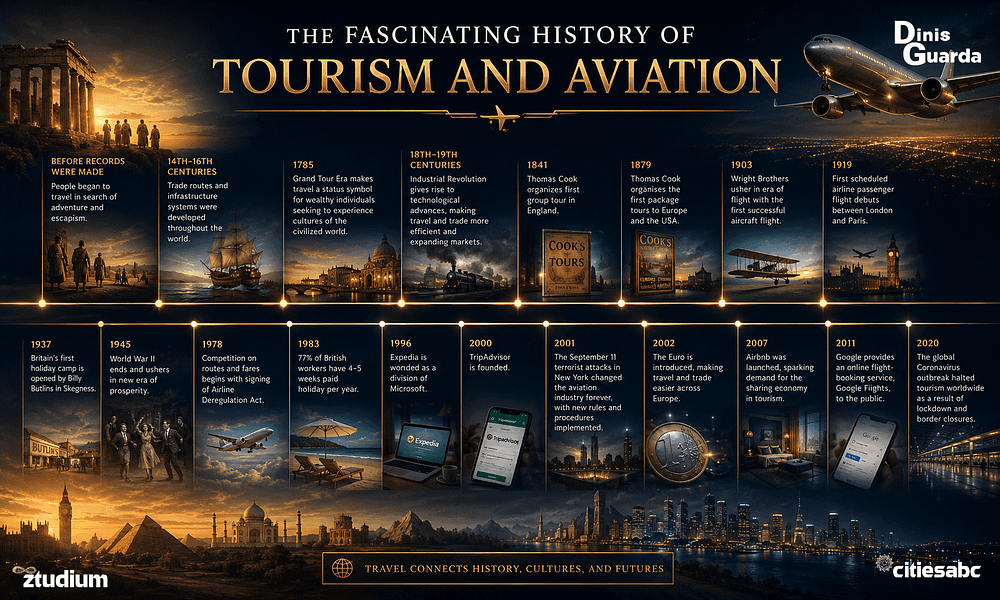
In a new Citiesabc research paper, I explore how travel evolved from ancient trade routes and pilgrimages into one of the world’s largest economic ecosystems. The research examines the industry’s historical evolution, macroeconomic impact, technological transformation, and the role AI will play in shaping its future.
It also explores why entrepreneurs, governments, investors, and cities should rethink travel, not simply as a leisure industry, but as a strategic driver of innovation, economic development, and human connection.
This is only the beginning.
Read the full research on Citiesabc: https://citiesabc.com/the-12-trillion-travel-and-tourism-industry-ecosystem